
FORCE TRAJECTORY
Deliberate development creates a different trajectory.
Force Trajectory helps leaders turn developmental intention into deliberate workplace practice—using real decisions, conversations, relationships and responsibilities as opportunities to develop how they operate.
DEVELOPMENTA HIGHER TRAJECTORY
IS A CHOICE.CLEARER THINKING.
BETTER DECISIONS.
GREATER IMPACT.
THE DEVELOPMENT CHALLENGE
Understanding what needs to change is not the same as changing how you operate.
Leadership development can create insight, intention and greater self-awareness. But development ultimately has to enter the situations where leadership actually happens—the decisions you make, the conversations you have, the responsibilities you carry and the way others experience your leadership.
The challenge is turning developmental intention into deliberate practice in the work.
THE FORCE TRAJECTORY APPROACH
Development has to enter the work.
Leadership insight becomes more useful when it begins to shape how you operate under the real conditions of leadership—pressure, uncertainty, competing priorities and responsibility.
Force Trajectory structures that practice.
It creates a deliberate cycle through which leaders identify what they are trying to develop, practise it in real situations, examine what actually happened, look for evidence that challenges or supports their interpretation, and determine what to work on next.
INTEGRATION
Designed to work with development that already exists.
Leadership development does not begin with Force Trajectory. A developmental priority may emerge through executive education, coaching, assessment, organizational feedback, a leadership framework or the demands of a new responsibility.
The development can begin somewhere else. The practice can continue here.
Force Trajectory provides a structured way to carry that development into the workplace—helping leaders apply what they are learning in real situations, examine what happens, recognize patterns and bring better evidence into what they do next.
The objective is not simply more leadership content. It is to keep development active between the moments specifically set aside for it.
FOR ORGANIZATIONS
Carry development into the work.
Organizations invest in leadership through programs, coaching, assessment and experience. The challenge is creating meaningful opportunities for leaders to work deliberately with that development as they return to the realities of their roles.
Force Trajectory helps extend development into that environment.
Through structured workplace practice, leaders can apply developmental priorities in real situations, examine recurring patterns in how they operate and build evidence that can inform continued development.
Designed to complement—not compete with—the leadership development already in place.
AN EMERGING INSTITUTIONAL APPLICATION
THE 90-DAY LEADERSHIP PRACTICE
Designed for organizations and executive-development environments that want to extend developmental priorities into participants' everyday work.
The institutional model is currently being developed through disciplined pilot work before broader deployment.
THE INDIVIDUAL PRACTICE
Begin with 90 days.
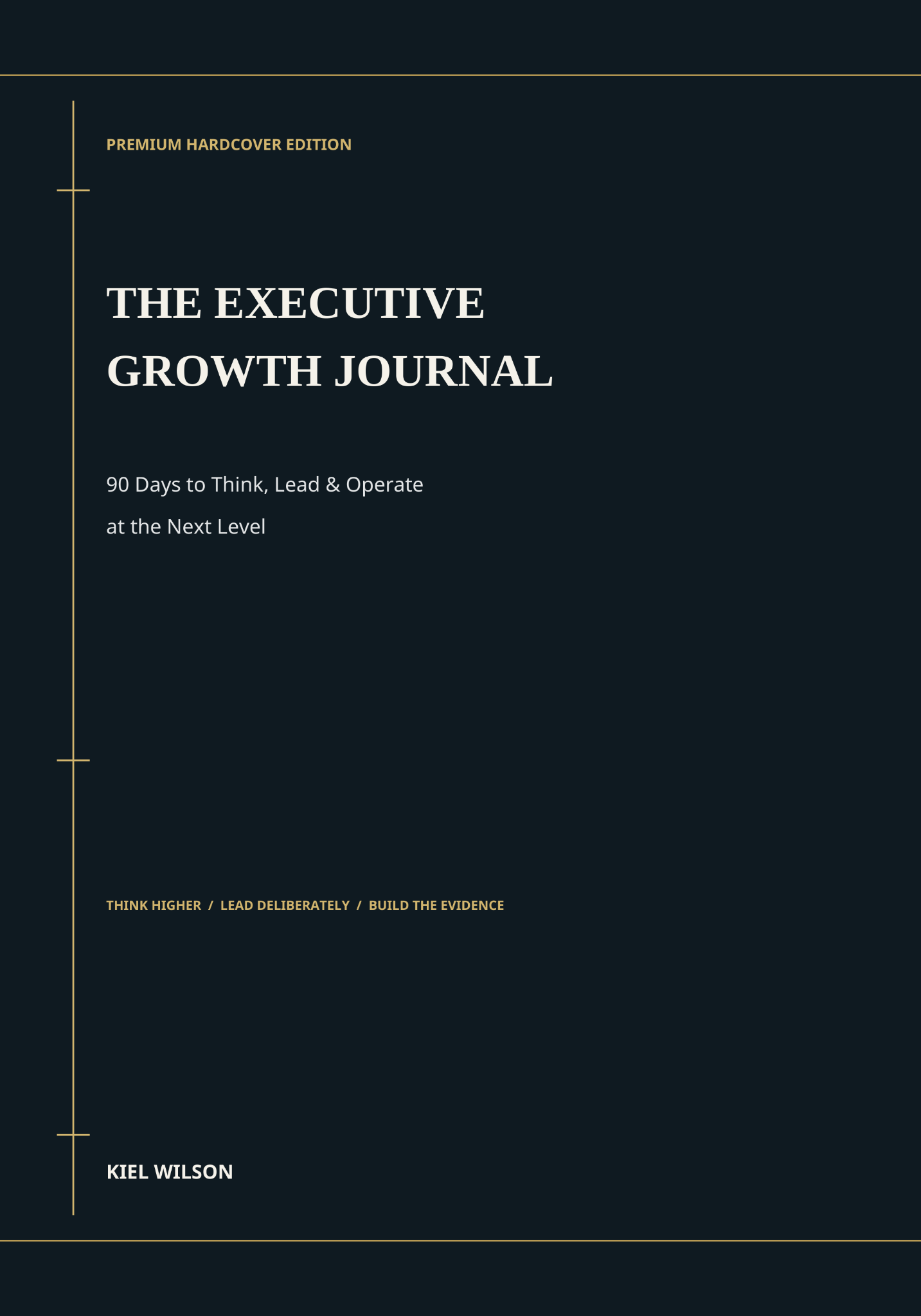
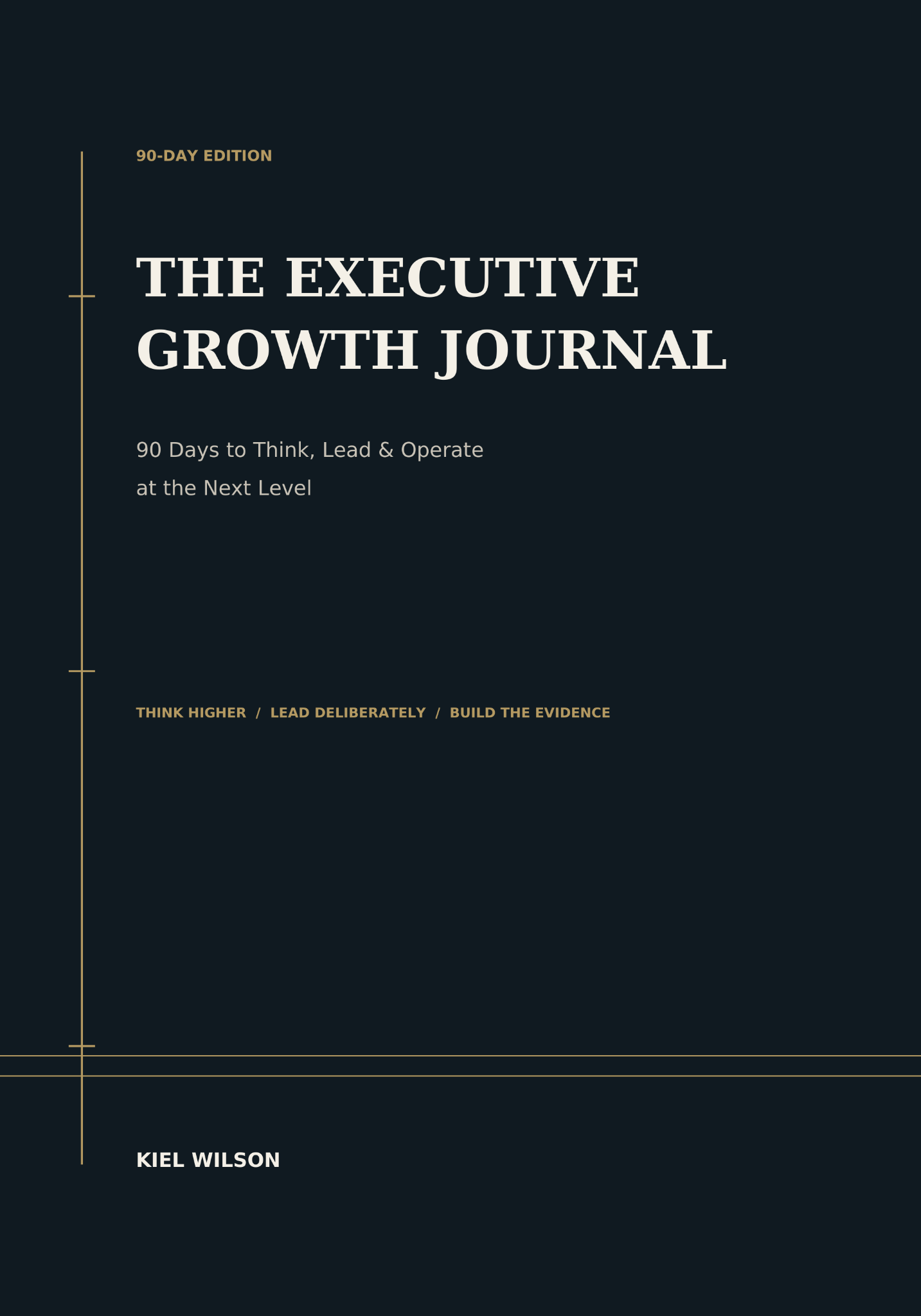
THE EXECUTIVE GROWTH JOURNAL
90 Days to Think, Lead & Operate at the Next Level
The Executive Growth Journal provides a private, structured 90-day practice for individual leaders who want to work more deliberately with how they operate.
Through daily reflection, weekly reviews and 30-, 60- and 90-day assessments, it creates a place to examine the decisions, conversations, relationships and responsibilities already shaping how you lead.
It reflects the same central belief that shapes Force Trajectory: development has to enter the work.
The objective is not to record ninety days of activity. It is to use ninety days of experience more deliberately.
Work deliberately with leadership situations as they occur.
Step back from individual events and examine what may be recurring.
Revisit development over time and identify what the evidence suggests should come next.
THE ORIGIN
Built from the reality of leading at greater scope.
Force Trajectory grew from a question that emerged through founder Kiel Wilson's experience leading teams, organizations and complex portfolios across more than two decades:
What happens between understanding how you need to develop as a leader and actually changing how you operate?
That question became the starting point for Force Trajectory—and for an ongoing effort to build practical, disciplined ways of turning leadership insight into workplace practice.
KIEL WILSON, P.ENG, PMP
Founder, Force Trajectory
CONTACT
Build the next stage of leadership deliberately.
Whether you're exploring your own development, considering Force Trajectory for an organization or executive-development environment, or interested in the approach, we'd welcome the conversation.
CONTACT@FORCETRAJECTORY.CA